We are at a moment when progress is accelerating. Personal AI agents are already capable of completing many complex, verifiable tasks.
We are also beginning to see collaborative, multiplayer ways of working with agents. In the coming months, we believe these systems will become far more common.
People and agents will increasingly work together much as remote coworkers do: through online messaging and asynchronous collaboration. At d5s, we already use specialised agents to help us carry out work across the company.
We also look toward the coming decade. As more compute becomes available and agent use expands, we expect several step changes in how people and agents work together.
The threshold shifts ahead
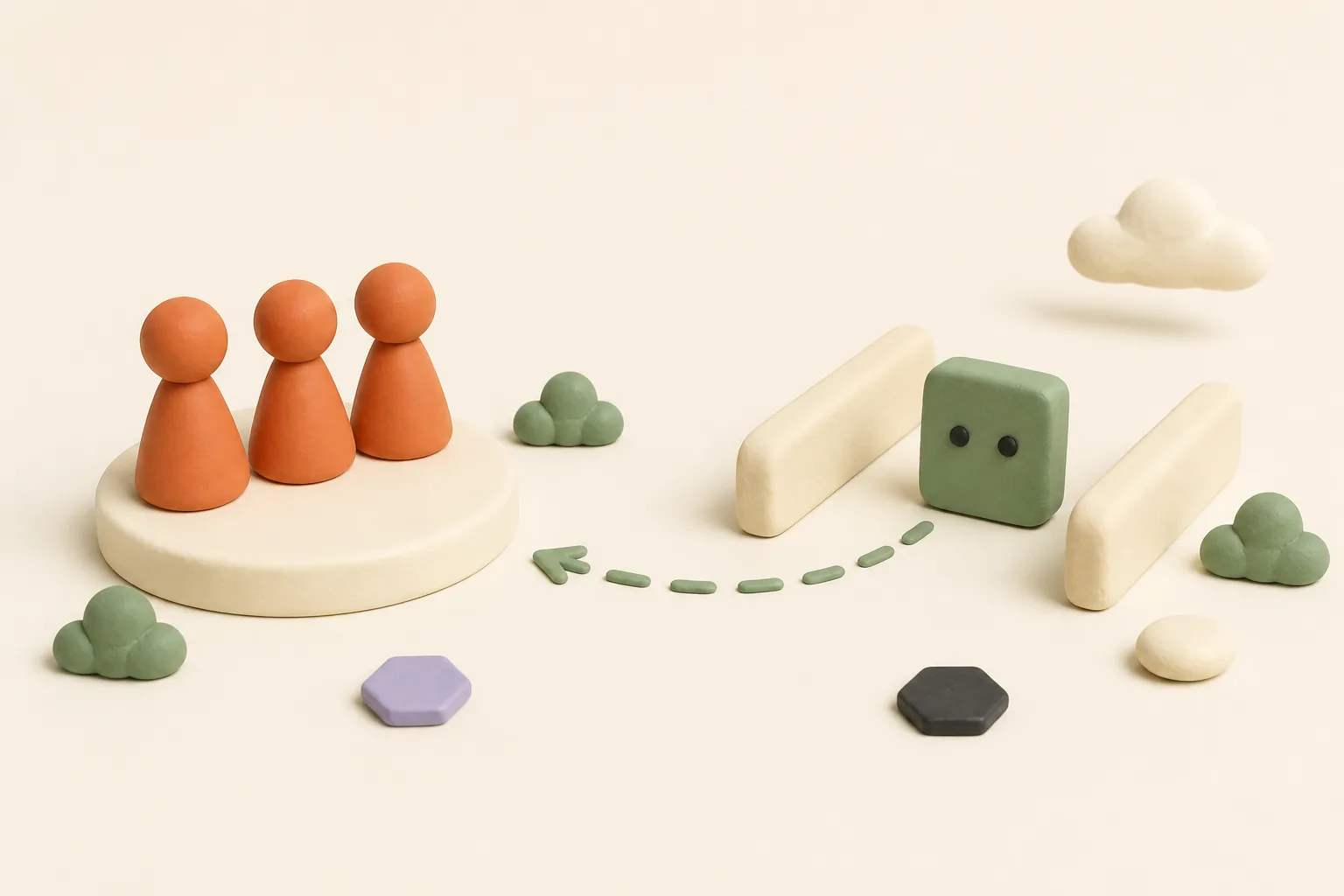
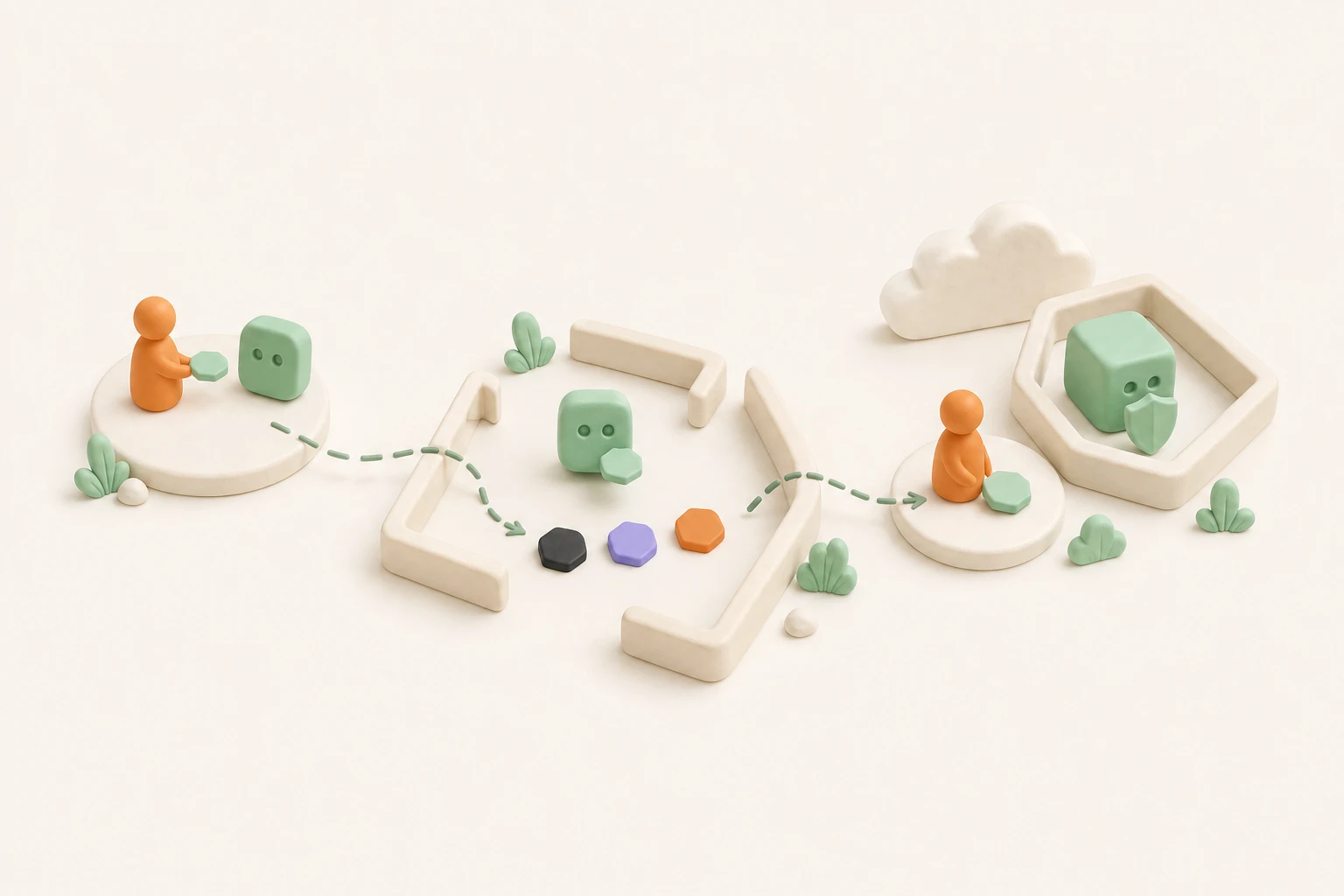
Where we are now: personal agents are becoming collaborative systems. We are beginning to see agents hand work to people and to one another.
- 01Personal agentsOne person working with one or more agents
- We are here02Collaborative agentsPeople and agents working together
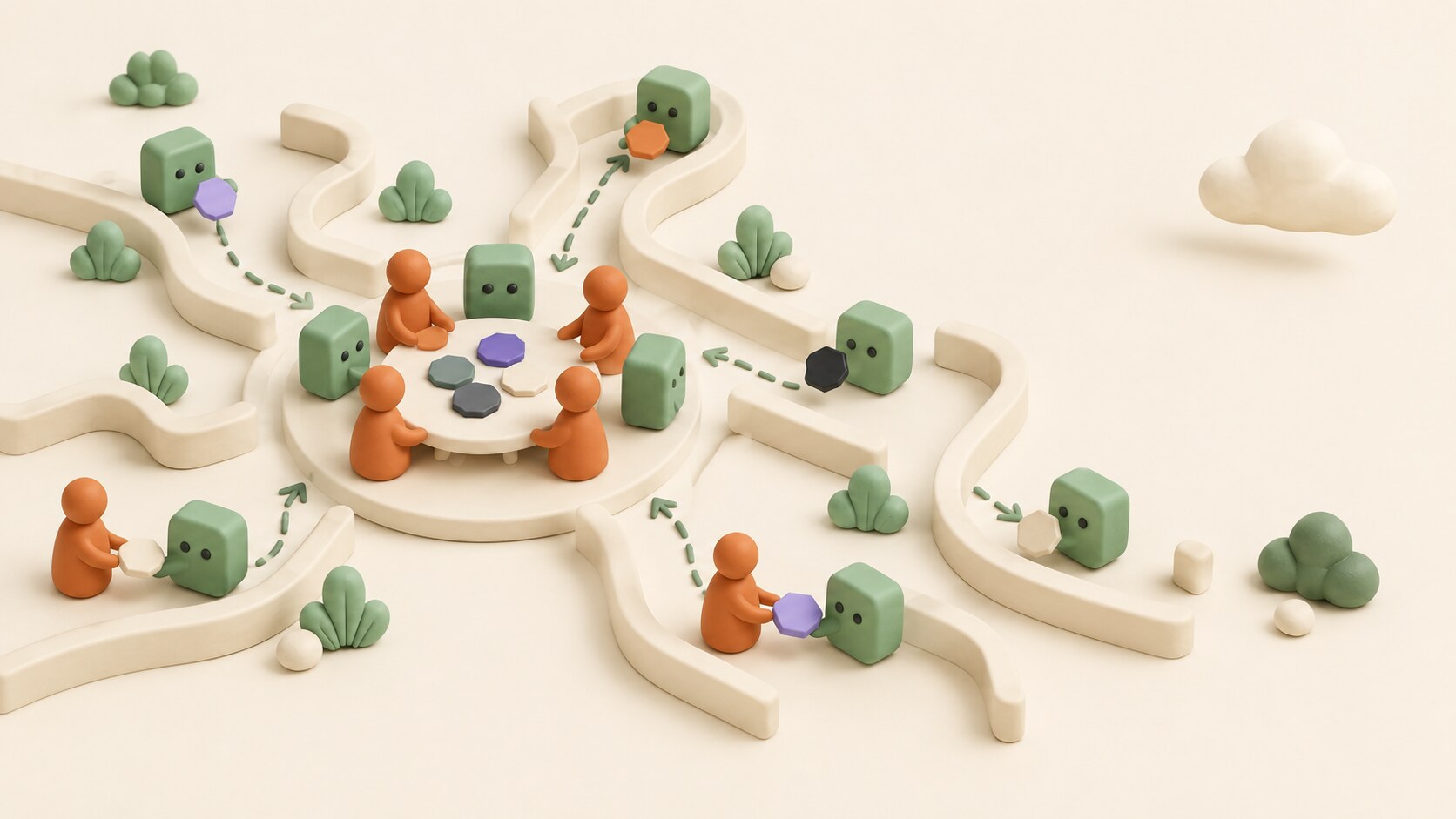
- 03Proactive agent organisationsAgents coordinate work across people and systems, increasingly anticipating what needs to happen next
- 04Agentic systemsNetworks of agents operating with meaningful autonomy, within boundaries set by people and institutions
We expect progress to be uneven. Different teams and industries will settle at different stages, shaped by available compute, trust, regulation, and the value of greater autonomy.
Global data-centre capacity demand
McKinsey projects demand to nearly triple within five years.
82 GW
2025
≈220 GW
2030
2.7× projected growth
Demand forecast, not installed capacity. Read the McKinsey analysis.
The questions we are building for
As agents take on more meaningful work, teams need clear answers to a new set of operational questions:
- What permissions should an individual agent have, and what changes when agents work as a group?
- How much initiative and responsibility should each agent be given?
- Which decisions should always remain with people?
- How should people inspect, correct, pause, or revoke an agent’s work?
- How do these boundaries hold when work passes between several agents over time?
These are the practical foundations of trustworthy multi-agent work. At d5s, we are building the workspace in which teams can set those boundaries, see how work moves, and keep people accountable for the outcomes.
A philosophical angle
We have strong precedent for systems made up of many intelligent actors: our own societies.
Our societies have a layered structure:
- the individual, with judgement, values, and responsibilities
- the group or collective, with shared norms and cultural values
- institutions, which provide rules, oversight, and accountability
Each layer helps make the whole system more stable. As organisations begin to work with groups of agents, a similar question emerges: what values, controls, and institutions will allow these systems to remain useful to people over time?
For business leaders, this is not only a question of adopting better technology. It is a question of how work is organised, where authority sits, and how accountability is maintained as agents take on more responsibility.
The work ahead
The name d5s is inspired by Daedalus, the master inventor and architect of Greek mythology. Our labyrinth logo is a nod to that story.
We believe one of the greatest challenges in building systems lies in the years ahead: cultivating increasingly autonomous systems of agents that remain useful, legible, and accountable to people.
This is the story we will continue to explore: how organisations can introduce agents thoughtfully, give them meaningful work, and retain the clarity and control that responsible collaboration requires.
Follow d5s as we share what we are learning from building multi-agent systems in practice.