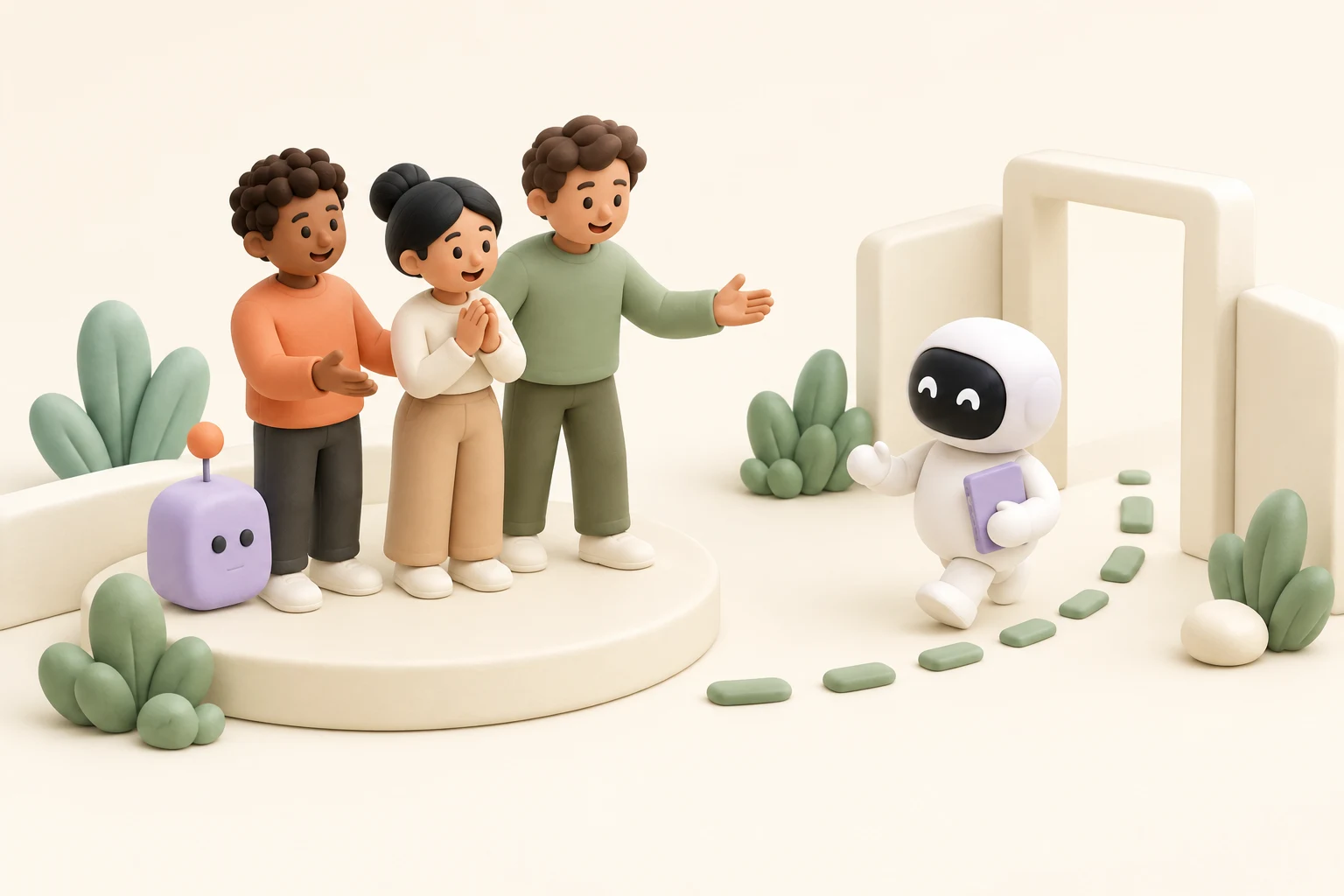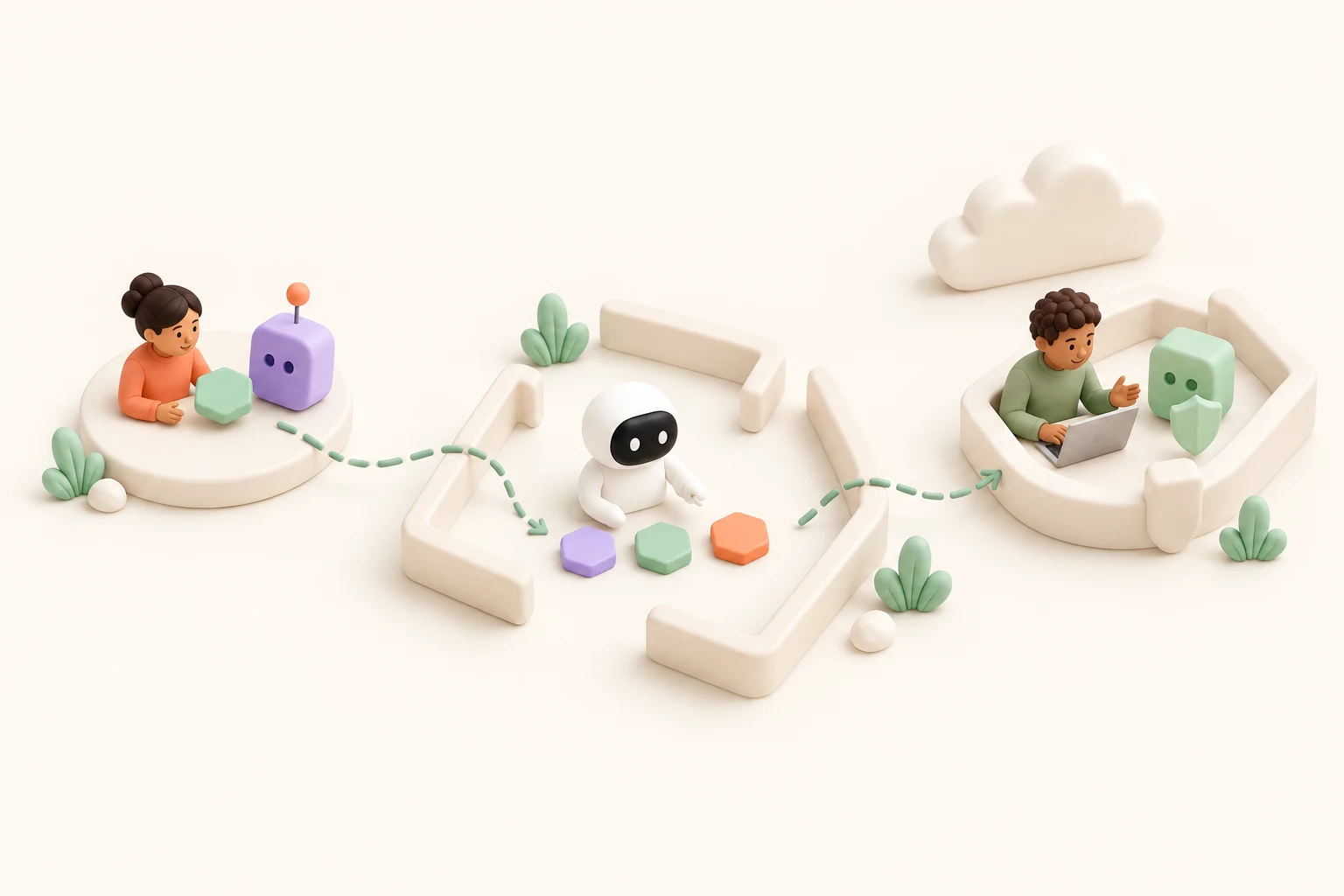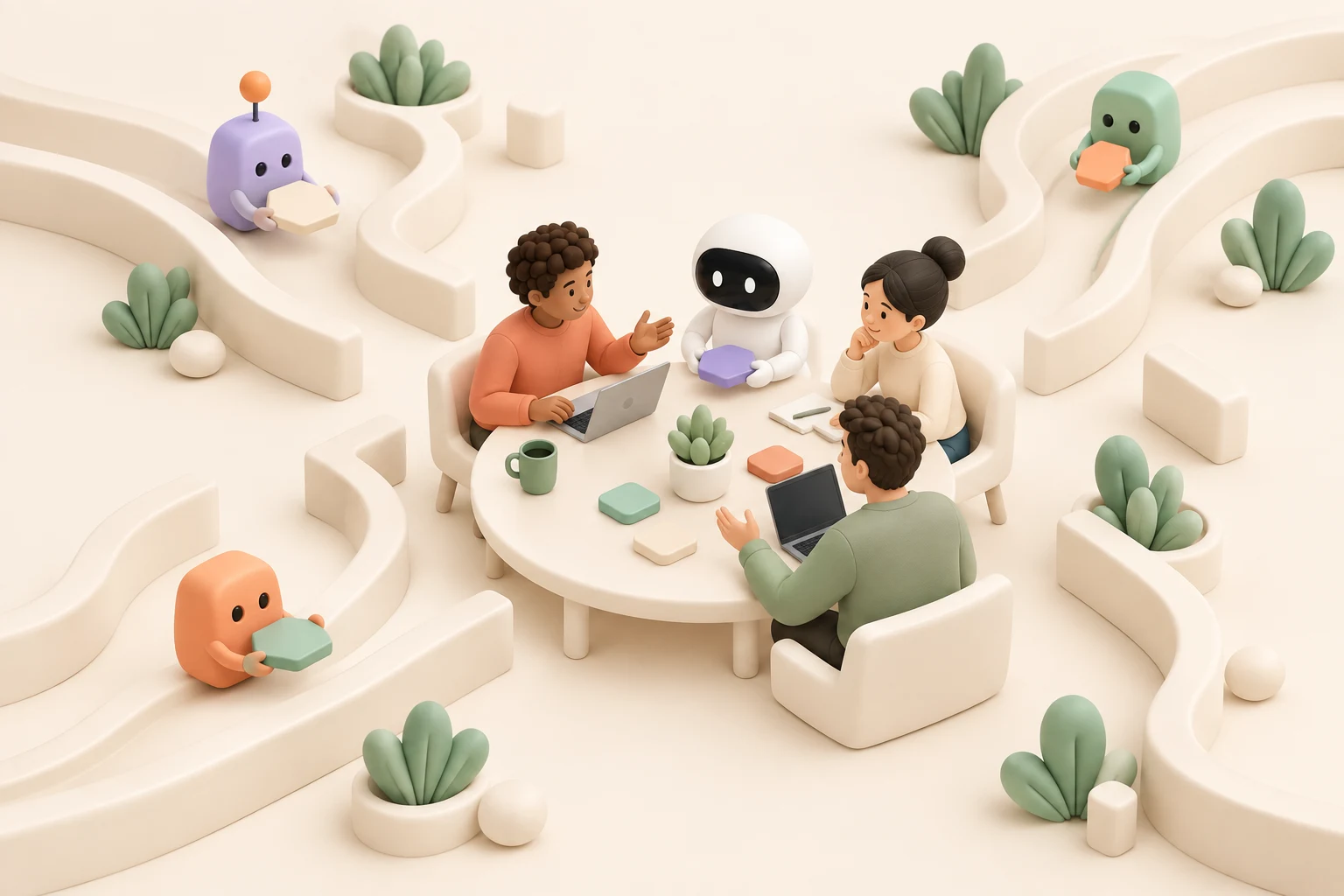
AI is entering a new phase. It is moving beyond a tool that responds to individual prompts and becoming a digital coworker that can understand organizational context, use company tools, take action, and contribute over time. Early AI products helped people generate text, answer questions, and complete isolated tasks. AI agents can do much more: monitor systems, contribute to projects, pursue goals, run recurring workflows, and collaborate with people and other agents. This creates a new kind of workforce, one in which people and AI agents work together in the same environment, with shared context and shared accountability. At d5s, we are building the workspace for that workforce.
AI becomes more valuable when it becomes shared
Most AI products still treat intelligence as a private interaction between one person and one model. But companies do not operate through isolated conversations. Work crosses teams, systems, documents, and time, while context is created collectively. If AI remains trapped inside individual chats, people must rebuild and transfer that context. Work is duplicated, decisions are difficult to trace, and useful knowledge cannot compound.
The economics change when AI becomes multiplayer. In d5s, people and agents work together in shared conversations and projects, using the tools and channels your teams already use. Agents can contribute to ongoing work, hand tasks to one another, and seek approvals and clarifications. In the end, agents leave behind outputs that the rest of the team can review and reuse. A research agent can produce findings that inform a product decision. An engineering agent can turn an alert into a structured investigation, which a customer-facing team can use without repeating the work. The value of an agent’s work no longer ends with the person who requested it; it becomes part of the organization’s shared operating context. That is where AI starts to create operating leverage rather than simply individual productivity.
Consider a research task that informs product, sales, and customer support. If each team commissions the same research separately, the organization pays for repeated model use and repeated human review. Shared findings give those teams a common starting point. They can spend their time checking what matters to their own decisions, rather than rebuilding the same context. The economic gain comes from reducing duplication and coordination as well as the cost of producing an answer.
Persistent work compounds
Most AI interactions today are still disposable: a question is asked, an answer is produced, and the context is eventually lost. Each interaction may be helpful, but the whole is never greater than the sum of its parts. We believe the bigger opportunity is persistent work. Agents run long-running tasks with shared context and tools. They act proactively, retain useful context in memory, update playbooks from experience and feedback, and work alongside people. Each task starts with more context and needs less coordination than the last. The real return on AI will not come from completing the same isolated task slightly faster, but from building systems that improve with use.
Multi-model is an economic advantage
There will not be one model that is best for every task. Models offer different trade-offs across reasoning, speed, cost, context, modality, and deployment. A durable AI operating model cannot send every task to the same provider; it must match the work to the appropriate model. This is not only about avoiding lock-in. It improves the economics of AI without reducing its usefulness. The goal is to use the right amount of intelligence for the value of the work.
The new unit of productivity is the team
The most successful companies will not be those that generate the largest number of AI interactions. They will be the ones that turn those interactions into durable organizational capabilities. AI is becoming part of the workforce. Now it needs a place to work. That is what we are building at d5s, and we can’t wait to continue this work with you.