The model layer is moving quickly. New models keep getting stronger and more specialised, while the providers, prices, and policies around them keep changing. But real work is not a solo exchange between one person and one model. It moves between teammates, agents, tools, approvals, and systems.
d5s is built for the durable layer above the model: a multiplayer AI workspace where people and AI coworkers share context, hand off work, and remain accountable for the outcome.
AI work is multiplayer
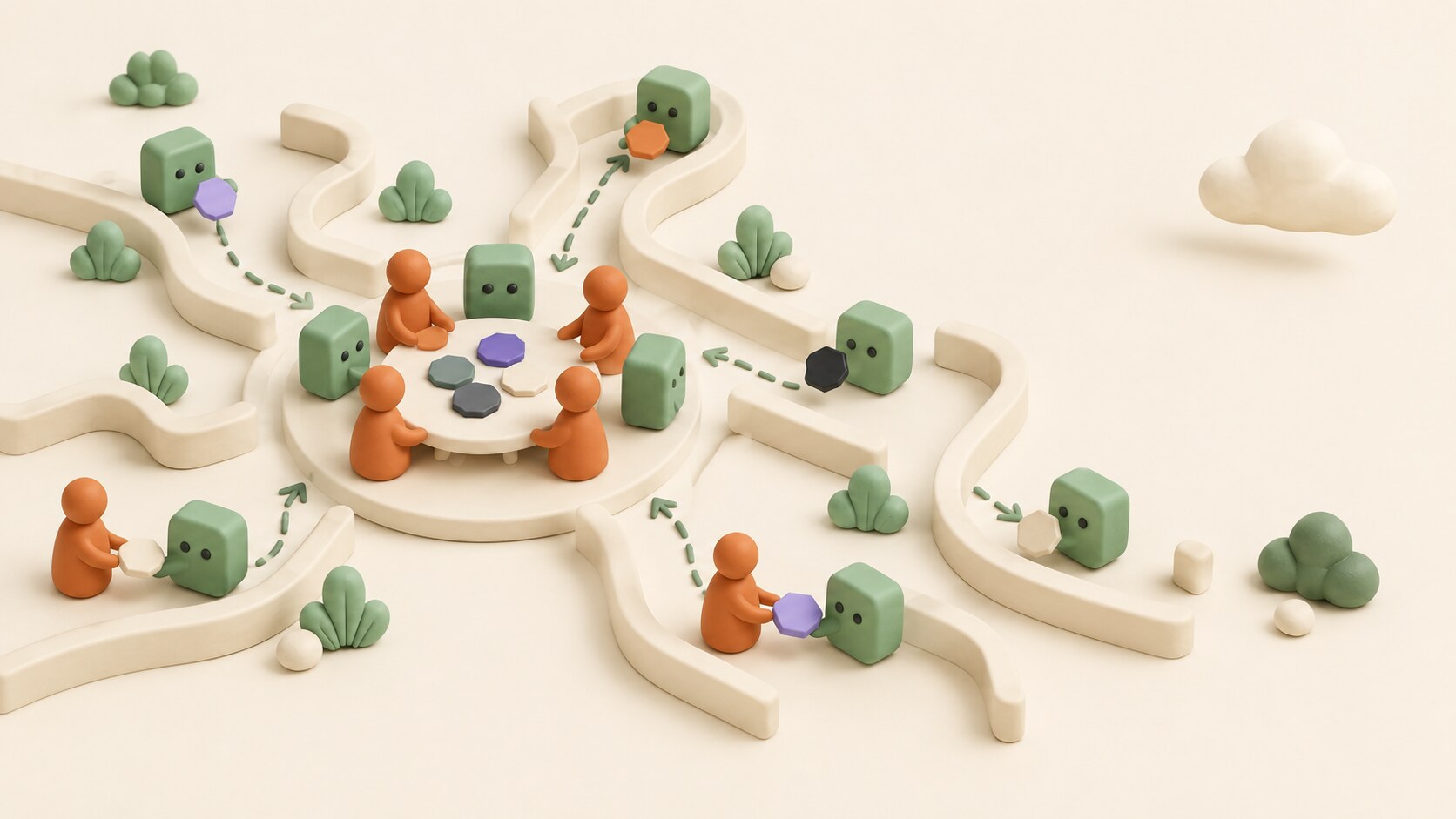
An AI coworker should not disappear into a private chat. It should be able to receive work from a person or another agent, collaborate in the same workspace, use the tools the team already relies on, and bring the result back to the people responsible for it.
That is what multiplayer AI means to us. People set direction and make judgment calls. Agents handle recurring work across systems, with ownership, handoffs, and approvals visible to the team.
The model is a component
A model is essential, but it is not the product. The product is the system around it: the context it receives, the tools it can use, the permissions it has, the traces it leaves, and the way it improves with feedback from the team using it.
That system should not be tied to one provider. Different tasks need different models. Some work deserves the strongest hosted model available. Some work should run on a cheaper utility model. Some customers need an open-weight model, a private deployment, or a mix that reduces dependence on any single provider.
d5s treats model choice as a runtime decision, not a product identity.
The workspace goes where the work is
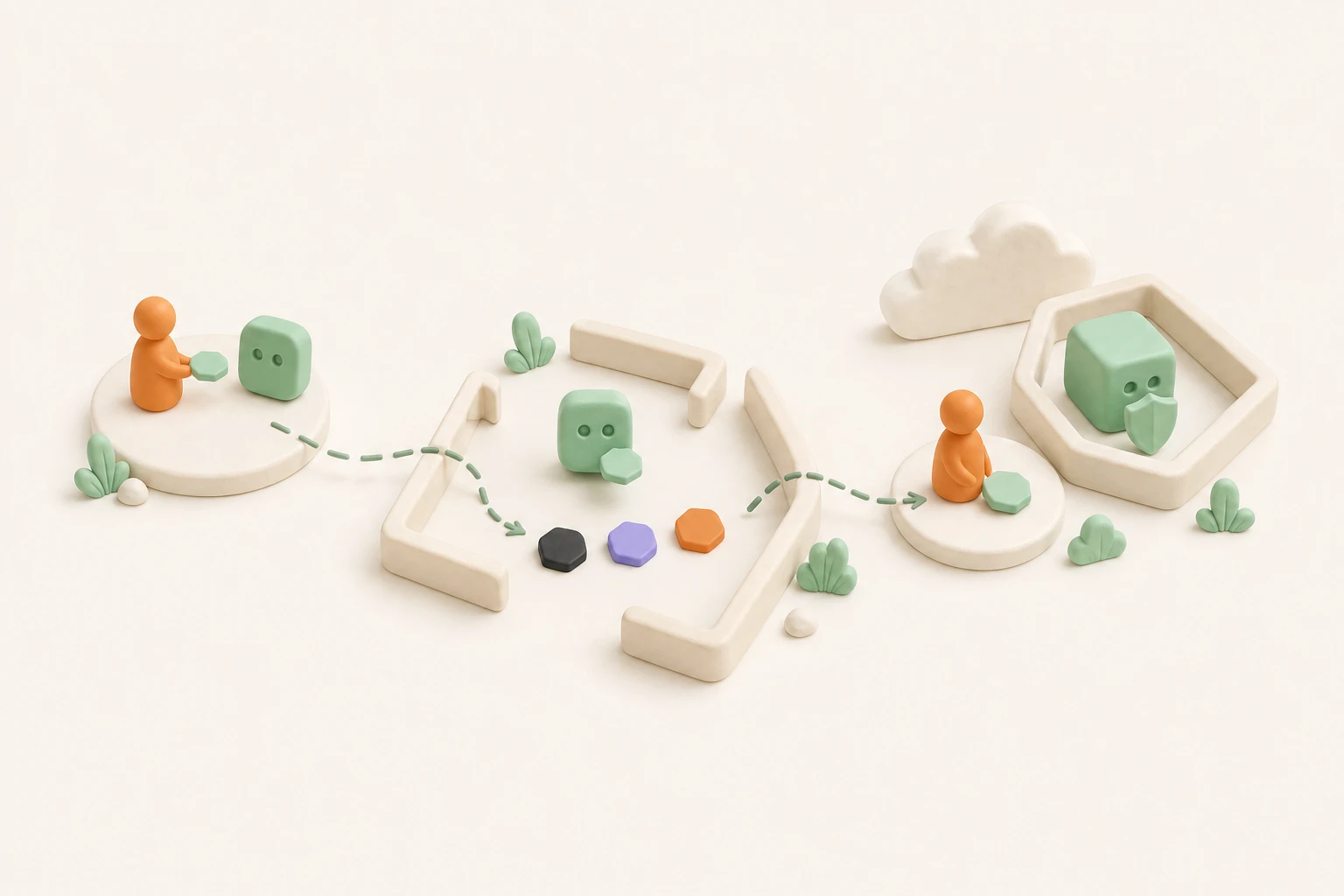
Serious teams already have infrastructure: source control, databases, object storage, queues, identity, secrets, observability, review paths, and compliance boundaries. An agent that cannot operate inside that environment is a demo. An agent that bypasses those controls is a liability.
d5s meets customers where their work already runs. Managed deployment is available when speed matters, dedicated cloud infrastructure when isolation matters, and the architecture is built toward customer-controlled deployment for stricter governance requirements.
Quality is the whole system
Quality is not only whether the base model scores well on a benchmark. In an agent workspace, quality is whether the agent picks the right tool, asks before irreversible actions, preserves project context, recovers from failures, spends expensive tokens only when needed, and leaves a trace another teammate can understand.
Runtime controls govern each run, while d5s uses evals to test expected behavior before an agent takes on more responsibility.
Open where it matters
The workspace should preserve an inspectable record of model calls, tool activity, memory changes, and approvals.
Teams can turn corrections into instructions or reusable playbooks that carry over when they change models.
What we are building
d5s is a multiplayer AI workspace for teams that want people and agents to work together on real workflows without surrendering control of their stack.
The non-negotiables are:
- Model choice. Use the model that fits the task, policy, budget, and deployment boundary.
- Deployment choice. Run managed or dedicated today, with the architecture built toward customer-controlled deployment.
- Portable memory. Keep project and organisation context structured, scoped, inspectable, and durable across model changes.
- Tooling with boundaries. Give agents real tools with permissions, secrets, isolation, and audit trails.
- Human control. Keep approvals, review, rollback, and provenance in the flow of work.
Teams need a workspace where work can move between people and agents without giving up control.
That workspace should belong to the team.
Any model. Any cloud. Your infrastructure.